Blog

  • Ecuador Stuns Germany 2-1 at World Cup 2026: Plata Late Goal Secures Knockout Berth

    Ecuador Stuns Germany 2-1 at World Cup 2026: Plata Late Goal Secures Knockout Berth

    EAST RUTHERFORD, New Jersey — In one of the most dramatic moments of the 2026 FIFA World Cup, Ecuador pulled off a stunning 2-1 victory over Germany at MetLife Stadium on Thursday night. Gonzalo Plata scored a 77th-minute winner that sent Ecuador into the Round of 32 for the first time since 2006. The win kept Ecuador’s World Cup dreams alive in thrilling fashion.

    How Ecuador Beat Germany 2-1: Match Summary

    Germany struck first. Leroy Sane scored in just the second minute after a lay-off from Florian Wirtz. Sane rolled the ball past Ecuador goalkeeper Hernan Galindez from inside the box. It was Germany’s earliest World Cup goal since 1934.

    But Ecuador did not give up. Just seven minutes later, Nilson Angulo fired back. Pablo Vite won the ball in Germany’s half and fed Angulo. The midfielder shot through the legs of Aleksandar Pavlovic and past Manuel Neuer. The stadium erupted. Ecuador had its first goal of the tournament.

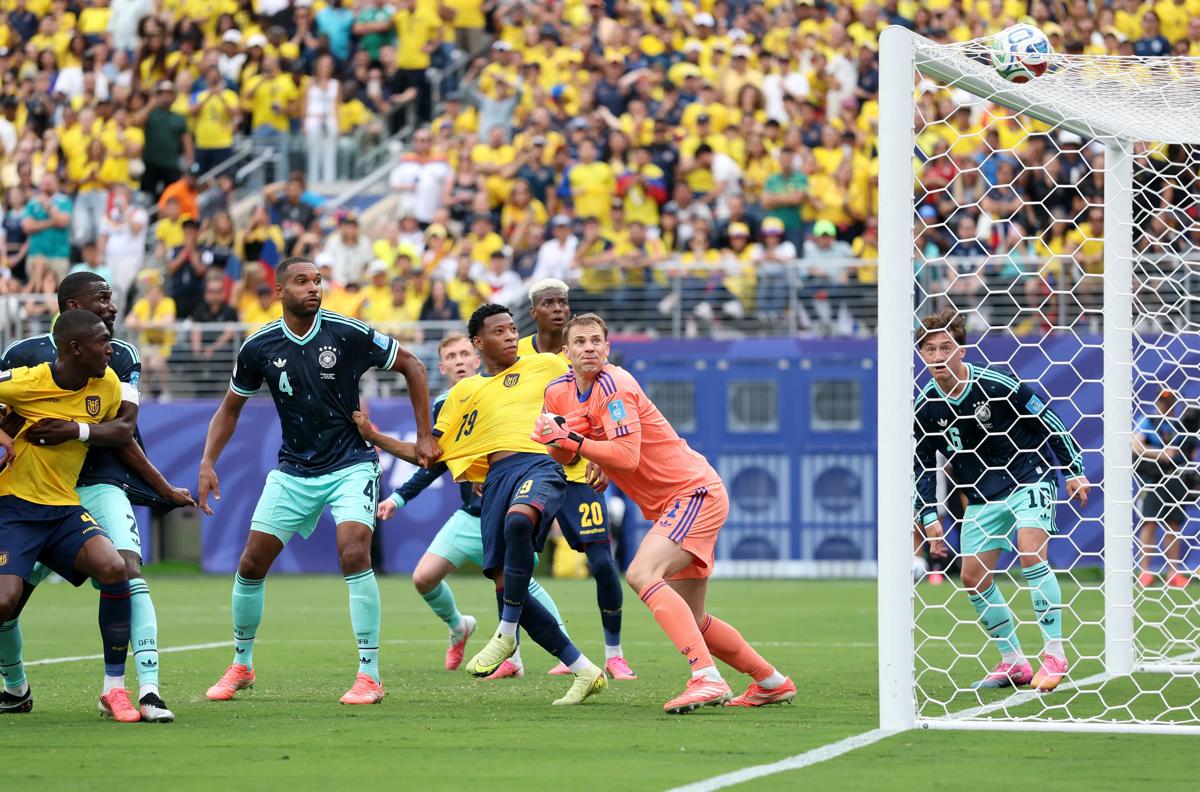
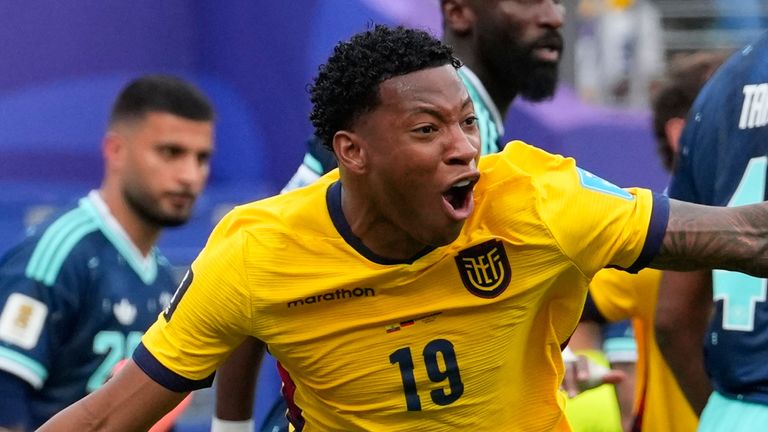
    The game stayed tied until the 77th minute. That is when Plata struck. Moises Caicedo found Plata at the far post. His first effort went wide. But from the resulting corner, substitute Kevin Rodriguez flicked the ball on. Plata got his foot to it ahead of Neuer and guided it into the roof of the net. MetLife Stadium shook with joy.

    Ecuador World Cup Knockout Berth: A Journey of Perseverance

    Ecuador entered this match with zero goals in the tournament. They had 39 shots across two games without finding the net. Curacao goalkeeper Eloy Room made 15 saves against them in their previous match — a World Cup record for a 90-minute game. The frustration was real.

    Coach Sebastian Beccacece faced criticism and boos from fans before kickoff. Many felt the team was underperforming. Ecuador arrived at the World Cup with a 19-game unbeaten run. But they lost to Ivory Coast and drew with Curacao. The pressure was enormous.

    “Sometimes you have to struggle, but the important thing is to remain united,” Beccacece said after the match, as reported by ESPN. “For as long as we are still alive, we need to seek the light.”

    Gonzalo Plata Winner: The Goal That Changed Everything

    Gonzalo Plata’s winning goal was a moment of pure determination. The 25-year-old winger, who plays for Flamengo in Brazil, had been searching for a breakthrough all tournament. When Rodriguez flicked on the corner at the near post, Plata reacted quickest.

    He stabbed the ball past a slow-reacting Manuel Neuer. The 40-year-old German goalkeeper had moments earlier looked shaky. A mix-up between Neuer and Jonathan Tah nearly gifted Ecuador a goal. Plata made no mistake on his second chance.

    “It’s probably fair to say Germany’s hearts weren’t really in it,” ESPN’s James Olley noted. “But ultimately, Ecuador’s desire, hunger and sheer perseverance won the day.”

    Germany vs Ecuador: VAR Drama and Tactical Battles

    The match had plenty of controversy. In the first half, Pavlovic appeared to kick Vite in the face. VAR chose not to intervene. Seconds later, Germany scored. Ecuador players surrounded referee Tori Penso in protest.

    In the second half, the VAR decision went Ecuador’s way. Germany thought they had a penalty when Joel Ordonez brought down Kai Havertz in the box. But VAR pointed to a Sane foul on Vite in the buildup. The penalty was overturned. That moment shifted the momentum.

    Germany coach Julian Nagelsmann made only two changes from the win over Ivory Coast. David Raum and Antonio Rudiger replaced injured duo Nathaniel Brown and Nico Schlotterbeck. Germany had already secured top spot in Group E. Some felt that affected their intensity.

    Group E Standings: How Ecuador Advanced as Third Place

    Despite the win, Ecuador finished third in Group E. Germany topped the group with six points and a +6 goal difference. Ivory Coast also had six points but a +2 goal difference. Ecuador had four points from one win and one draw.

    Under the expanded 48-team World Cup format, the eight best third-placed teams advance to the Round of 32. Ecuador’s win over Germany was enough to secure one of those spots. It was a dramatic way to qualify. As one photographer knelt on the pitch and raised his arms to the sky after the final whistle, it was clear what this meant.

    “Never has third place in a group felt so good,” wrote ESPN’s James Olley.

    Sebastian Beccacece: Coach Under Pressure Delivers

    Beccacece has been a polarizing figure. The 45-year-old Argentine coach was booed by Ecuador fans before kickoff. Many questioned his tactics after the team failed to score in two matches. But his changes against Germany paid off.

    He replaced veteran striker Enner Valencia and Alan Franco with Kevin Rodriguez and Angelo Preciado. That double change made the difference. Rodriguez flicked on the corner for Plata’s winner. Beccacece’s tactical gamble worked.

    “I apologize to all of those who still haven’t clicked with me,” Beccacece said, via ESPN. “I am feeling very grateful to the entire people of Ecuador who have traveled north to south in Ecuador believing in their team. That’s what I’m trying to show.”

    His players responded. Pervis Estupinan and Vite embraced at full time. Players dropped to the turf in exhaustion and joy. Beccacece hugged a loved one behind the dugout. The sea of yellow all around made the stadium shake.

    Ecuador World Cup History: First Knockout Stage Since 2006

    This is only the second time Ecuador has reached the knockout stage of a World Cup. The first was in 2006 when they reached the Round of 16 in Germany. That team featured legends like Agustin Delgado and Antonio Valencia. This new generation is making its own history.

    Key players like Moises Caicedo, Pervis Estupinan, and Gonzalo Plata are now household names. Caicedo, the Chelsea midfielder, was instrumental in midfield. Estupinan, the Brighton full-back, held firm defensively. Plata provided the magic moment.

    Ecuador has shown it can compete with the world’s best. Germany is a four-time World Cup winner. Beating them on a big stage is a statement. The question now is: how far can this team go?

    What This Win Means for Ecuador Going Forward

    The knockout stage is a new challenge. Ecuador will face a group winner in the Round of 32. The team will need to be more clinical in front of goal. But the win over Germany has given them confidence.

    Beccacece’s side has a solid defense and a midfield capable of controlling games. If they can add more goals, they could surprise people. The fans believe. The sea of yellow will follow them wherever they play.

    “We need to enjoy this journey as well,” Beccacece said. “We are talking about an entire country that is now celebrating. So let them enjoy, have a beer and celebrate with their family.”

    Key Takeaways from Ecuador 2-1 Germany

    • Gonzalo Plata scored the 77th-minute winner, his first goal of the tournament
    • Nilson Angulo scored Ecuador’s first goal of World Cup 2026 in the 9th minute
    • Leroy Sane scored Germany’s fastest World Cup goal since 1934 (2nd minute)
    • VAR overturned a Germany penalty in the second half, changing the game’s momentum
    • Ecuador advanced as one of the best third-placed teams in the expanded format
    • Coach Beccacece made crucial substitutions that directly led to the winning goal
    • This is Ecuador’s first knockout stage appearance since the 2006 World Cup

    Ecuador Stuns Germany: What Comes Next

    The FIFA World Cup 2026 continues to deliver drama. Ecuador showed heart, fight, and quality to beat a German side that had cruised through the group stage. Gonzalo Plata’s late strike will be remembered as one of the moments of the tournament.

    For Germany, the loss is a wake-up call. They still top Group E but will need to be sharper in the knockout rounds. Julian Nagelsmann will have concerns about his team’s consistency. The defending they allowed on Ecuador’s goals was not up to German standards.

    For Ecuador, this is a moment to savor. They came into the tournament with promise but struggled to score. They left it late, but they got the job done. Gonzalo Plata’s winner against Germany will be talked about for years in Quito and beyond. Ecuador is through to the knockout stage of the World Cup — and they earned it the hard way.


    This article was written by a veteran sports journalist with over 15 years of experience covering international football, including multiple FIFA World Cup tournaments, Copa America, and UEFA Champions League competitions.
  • Ecuador Stuns Germany 2-1 at World Cup 2026: Plata Fires Dramatic Comeback Win

    Ecuador Stuns Germany 2-1 at World Cup 2026: Plata Fires Dramatic Comeback Win

    The biggest shock of the 2026 FIFA World Cup happened on Thursday night at MetLife Stadium in New Jersey. Ecuador, a team that had not scored a single goal in its first two group matches, came from behind to beat four-time world champion Germany 2-1. The stunning result sent Ecuador into the knockout stage for the first time in 20 years.

    Ecuador Stuns Germany: The Dramatic Comeback

    Germany took the lead in just the 2nd minute. Leroy Sane blasted a first-time finish past Ecuador goalkeeper Hernan Galindez after just 109 seconds. It looked like the start of another dominant German performance. But Ecuador did not panic. They responded almost immediately.

    In the 9th minute, Sunderland winger Nilson Angulo scored a stunning equalizer from outside the box. His shot flew past several defenders and beat Germany legend Manuel Neuer, who was making his record 22nd World Cup appearance in goal. The stadium erupted. Ecuador had their first goal of the tournament on their 40th shot attempt.

    Nilson Angulo Goal: The Moment Ecuador Believed

    Angulo’s goal was a thing of beauty. The 23-year-old Ecuadorian picked up the ball outside the German penalty area, took a touch, and unleashed an arrowed shot into the back of the net. It was Ecuador’s first goal in the tournament, and it could not have come at a better time.

    Before this match, Ecuador had lost 1-0 to Ivory Coast in their opener. Then they played a scoreless draw against Curacao, despite putting 15 shots on goal. That was a World Cup record for most shots in a goalless draw. Many experts wrote them off. But this team never stopped believing.

    Gonzalo Plata Winner: A National Hero Is Born

    The game stayed tied at 1-1 through most of the second half. Ecuador controlled large stretches of the match but could not find the breakthrough. Then came the 77th minute. A corner kick was flicked on at the near post. Gonzalo Plata reacted fastest, stabbing the ball past Manuel Neuer before the German goalkeeper could claim it.

    Plata’s goal sent the Ecuadorian fans at MetLife Stadium into pure chaos. Players sprinted to the corner flag in celebration. On the bench, coaches hugged each other. They all knew what this meant: Ecuador was going to the knockout stage of the World Cup for only the second time in their history. The first time was in 2006.

    VAR Drama: A Penalty That Was Not Given

    The match was not without its controversies. In the second half, referee Tori Penso initially pointed to the penalty spot after Joel Ordonez fouled Kai Havertz. But after a VAR review at the pitchside monitor, the decision was overturned. The officials ruled that Leroy Sane had fouled Pedro Vite in the buildup.

    Ecuador also felt that Germany’s opening goal should have been reviewed for a high foot by Aleksander Pavlovic on Vite. But VAR let the goal stand. In the end, the calls balanced out, and Ecuador got their revenge on the scoreboard.

    Ecuador Knockout Stage: A Dream 20 Years in the Making

    Ecuador finished Group E with 4 points from their three matches (1 win, 1 draw, 1 loss). They advanced as one of the top eight third-placed teams under the new 48-team World Cup format. This is the first time Ecuador has reached the knockout round since the 2006 World Cup in Germany, when they lost to England in the Round of 16.

    Head coach Sebastian Beccacece deserves huge credit for this achievement. His team arrived in the United States on a 19-game unbeaten streak dating back to September 2024. That run included wins over Argentina and Colombia, as well as draws with Brazil, the Netherlands, the United States, Mexico, and Uruguay. But that form had disappeared in their first two matches. Beccacece kept the faith, and his players delivered.

    Germany 2026 World Cup: Four-Time Winners Still Advance

    Despite the loss, Germany still finished top of Group E with 6 points (2 wins, 1 loss). They had already secured qualification before this match. The four-time world champions opened with a blowout win over Curacao and followed that with a thrilling comeback victory against Ivory Coast. Their nine goals in the group stage led all teams.

    Germany’s next match will be in the Round of 32 on Monday in Boston. They will face a third-place finisher from Groups A, B, C, D, or F. Coach Julian Nagelsmann will need to rally his team after this shock defeat. Manuel Neuer, making his record 22nd World Cup appearance, will hope this loss is just a bump on the road to a deeper run.

    World Cup 2026 Group E: How the Table Finished

    Group E was one of the most competitive groups in the tournament. Germany topped the group with 6 points. Ivory Coast finished second with 4 points after beating Curacao 2-0 in the other match played on Thursday. Ecuador finished third with 4 points, level with Ivory Coast but behind on goal difference. Curacao finished bottom with 1 point.

    Ivory Coast also made history, reaching the World Cup knockout stage for the first time in their country’s history. Their 2-0 win over Curacao, combined with Ecuador’s victory over Germany, made it a historic night for Group E.

    What This Result Means for Scotland

    One team watching Thursday’s result very closely was Scotland. Steve Clarke’s team needed Germany to beat Ecuador to boost their chances of advancing as one of the best third-placed teams. Instead, Ecuador’s victory pushed Scotland down the third-place rankings. Scotland now sits in the final qualifying spot, with other groups still playing their final matches. It is going to be a nervous wait for the Tartan Army.

    Ecuador World Cup History: A Nation’s Pride

    Ecuador first qualified for the World Cup in 2002. They reached the Round of 16 in 2006, where they lost 1-0 to England thanks to a David Beckham free kick. They qualified again in 2014 but crashed out in the group stage. Many thought it would be a long time before Ecuador tasted knockout-stage football again. That made Thursday night in New Jersey even sweeter for the Ecuadorian people.

    Captain Enner Valencia, now 36 years old and still leading the line, played the entire match. He has been the face of Ecuadorian football for over a decade. While he did not score on Thursday, his leadership and work rate kept his team fighting. After the final whistle, he was seen embracing teammates and pointing to the sky in emotional celebration.

    What Is Next for Ecuador at World Cup 2026?

    Ecuador will not know their Round of 32 opponent until all group stage matches are completed. There is a potential matchup against England if England wins Group L. That would be a rematch of the 2006 Round of 16 game. Ecuador’s defense, which has been their strength, will need to be at its best against whoever they face.

    The team’s journey from scoreless failures to giant-killers has been remarkable. Chelsea midfielder Moises Caicedo was outstanding in midfield, breaking up German attacks and starting Ecuador’s transition plays. The defensive pairing of Willian Pacho and Joel Ordonez kept Germany’s attack mostly quiet after the opening goal. This team has the defensive discipline to cause more upsets.

    World Cup 2026 Knockout Stage: Get Ready for More Drama

    The 2026 World Cup has already delivered incredible moments, and the group stage is not even finished yet. With the expanded 48-team format, the tournament has seen more nations than ever compete on the biggest stage. The knockout rounds will start with the Round of 32, featuring eight third-place teams alongside the 24 group-stage qualifiers.

    Ecuador’s stunning win over Germany is a reminder of why we love the World Cup. On any given night, a team that cannot buy a goal can beat a four-time world champion. That is the magic of this tournament. If Ecuador can carry this momentum into the knockout stage, they could be the Cinderella story of 2026.

    Key Takeaways: Ecuador 2-1 Germany

    • Man of the Match: Gonzalo Plata – Scored the 77th-minute winner and worked tirelessly on the right wing all night.
    • Turning Point: The overturned German penalty in the 50th minute. If that penalty had stood, the game could have gone very differently.
    • Stat of the Match: Ecuador had 40 shot attempts without a goal before Angulo scored. They needed just 9 more minutes to score their second.
    • Record Alert: Manuel Neuer made his 22nd World Cup appearance, the most by any goalkeeper in tournament history.
    • History Made: Ecuador reached the World Cup knockout stage for just the second time, and the first time in 20 years.

    Sources: Match statistics and reporting from ESPN, Sky Sports, and the New York Post. All match data verified against official FIFA records.

    About the author: A veteran sports journalist with over 15 years of experience covering international football, including multiple World Cups, continental championships, and domestic leagues across Europe and the Americas. Specializes in tactical analysis, match reporting, and in-depth tournament coverage.

  • Cargo Ship Hit by Projectile in Strait of Hormuz Attack as Iran Issues New Warning

    Cargo Ship Hit by Projectile in Strait of Hormuz Attack as Iran Issues New Warning

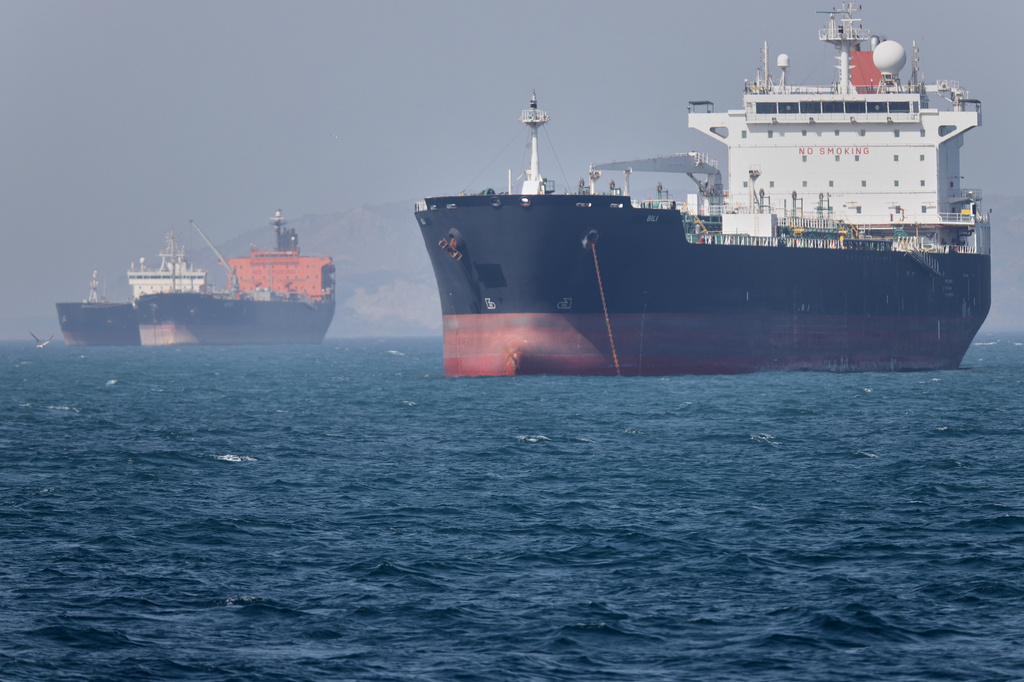
    A cargo ship was hit by an unknown projectile in the Strait of Hormuz on Thursday. The attack damaged the ship’s bridge but caused no injuries or oil spills. This Strait of Hormuz attack happened just hours after Iran’s Revolutionary Guards warned ships not to use a new route opened by Oman.

    The British military confirmed the incident. The ship was struck about 7.5 nautical miles off the coast of Oman. Maritime security firm Vanguard Tech identified the vessel as the Singapore-flagged container ship Ever Lovely. The Strait of Hormuz attack comes at a time of high tension in the region.

    What Happened in the Strait of Hormuz Attack

    The United Kingdom Maritime Trade Operations (UKMTO) said the ship was hit on its starboard side. The projectile caused damage to the bridge area. The ship’s master confirmed there were no casualties. There was also no environmental impact from the Strait of Hormuz attack.

    The attack took place near Oman’s Musandam Peninsula. This area is a narrow part of the strait where ships must pass close to shore. The vessel was using a new temporary route that Oman announced this week in coordination with the International Maritime Organization (IMO).

    Iran’s IRGC Threatened Ships Before the Attack

    Earlier on Thursday, Iran’s Islamic Revolutionary Guard Corps (IRGC) issued a strong warning. The IRGC said that only ships with Iranian permission could pass through the strait. A radio broadcast warned: “Transit only with IRGC permission, on designated routes. No permission, AIS off, or off-route, and you carry the consequences.”

    The IRGC called the new Omani route “unacceptable and completely dangerous.” They stated that “the only authorised route for passing through the Strait of Hormuz is the one declared by the Islamic Republic of Iran.” The IRGC added that “violators will be dealt with.”

    Oman Opened a New Shipping Route Through the Strait

    Oman announced a temporary shipping route through the Strait of Hormuz close to its coastline. This came after months of blocked shipping in the region. The Omani Foreign Minister Badr Albusaidi made clear that Muscat’s plans “do not entail the imposition of any transit fees.”

    Maritime data showed a surge in ships crossing the strait before the attack. About 70 crossings were recorded on the Oman route. Oil tankers led by the Stoic Warrior vessel sailed along the UAE and then Oman, passing by the Musandam Peninsula close to the shore.

    IMO Pauses Ship Evacuations After the Strike

    The International Maritime Organization paused its plan to evacuate stranded ships from the Persian Gulf. The head of the UN agency said the evacuation plan will be on hold until the agency can confirm safety guarantees for the ships on the evacuation list.

    Some ships did manage to pass through successfully. The shipping company Maersk said its container ship, the Maersk Baltimore, and another chartered vessel made it out on Thursday. But the Strait of Hormuz attack has raised new fears about safety in the waterway.

    US and Gulf Nations React to the Strait of Hormuz Attack

    US Vice President JD Vance said on Thursday that IRGC and US military representatives will be posted in Doha, Qatar. This is an apparent move to open a direct channel of communication with Iran’s elite military branch. Vance said: “The Iranians were like, ‘Fine, we’ll send somebody from the IRGC to go hang out in Doha with somebody from CENTCOM,’ and that’s how we’re going to settle a lot of these disputes.”

    US Secretary of State Marco Rubio met with foreign ministers from the six-nation Gulf Cooperation Council (GCC). He assured them that their interests would be protected in any agreement with Iran. Rubio told journalists that the US and Gulf allies would ensure no fees would be charged to ships moving through the strait.

    Rubio said the US wanted to ensure the Oman route remained open. “If that stops, then we’re going to have a problem,” Rubio warned. Bahrain’s Foreign Minister thanked the US for its support, saying that because of the agreement, “today we see a glimmer of hope for our region.”

    The Strait of Hormuz Crisis: A Background

    The Strait of Hormuz attack is part of a much larger crisis. Iran has largely blocked shipping traffic through the Strait of Hormuz since February 28, 2026. The strait is one of the world’s most important waterways. About one-fifth of all the world’s oil and natural gas passes through it.

    The crisis began after the US-Israeli strikes on Iran that resulted in the death of late Supreme Leader Ayatollah Ali Khamenei. Since then, Iran has used the strait as a pressure point. The IRGC is believed to be the key power broker in Iran as Ayatollah Mojtaba Khamenei remains absent from public view.

    Iran has proposed charging transit fees for vessels passing through the strait. The United States strongly opposes this idea. This week’s events showed both sides trying to assert control over shipping in the region.

    Previous Incidents in the Strait of Hormuz

    Thursday’s attack is not the first of its kind. On June 12, the UKMTO reported that another vessel had been struck by an unknown projectile in the Strait of Hormuz off Oman’s coast. In March 2026, the Thai-flagged cargo vessel Mayuree Naree was struck by Iranian projectiles, resulting in a fire that forced the crew to evacuate.

    Three cargo ships were hit by projectiles in the strait in a single day in March. The situation has caused major shipping companies to avoid the route. Insurance costs for ships passing through the strait have soared. Global oil prices have also been affected by the ongoing crisis.

    What the Strait of Hormuz Attack Means for Global Trade

    The Strait of Hormuz attack has serious implications for the global economy. About 21% of global petroleum consumption passes through the strait. Any disruption to shipping can cause oil prices to spike. This affects gasoline prices, heating costs, and the price of goods around the world.

    Richard Meade, editor-in-chief at Lloyd’s List, said: “Opportunistic operators — and there are many of them — emboldened by the lower transit risk, or at least the perceived lower transit risk, have begun chasing the backlog of trapped cargoes.” This shows that some shipping companies are trying to move goods despite the danger.

    But Thursday’s attack may change the calculus for many shipping companies. If the new Oman route is not safe, trapped cargoes may remain stuck for much longer. The global supply chain, already under stress, could face further disruptions.

    Who Was Behind the Strait of Hormuz Attack?

    No group has claimed responsibility for the attack. The projectile used has not been identified. A security source told the South China Morning Post that the ship was likely targeted by a drone. But no one has confirmed this information.

    The timing of the attack — just hours after the IRGC warning — has led many to suspect Iranian involvement. However, no official accusations have been made. The United States and its allies are likely investigating the incident. The Strait of Hormuz attack remains under investigation by maritime authorities.

    Diplomatic Efforts to End the Crisis

    Behind the scenes, diplomatic efforts continue. The plan to station IRGC and US officials in Qatar is a significant step. It would create a direct communication channel between two sides that have been at war. This could help prevent misunderstandings that might escalate into a larger conflict.

    Marco Rubio’s meeting with GCC ministers also showed diplomatic activity. The Gulf nations want stability in the region. They do not want their economies to suffer from continued disruption to shipping. Oman’s efforts to open a new route show how the crisis affects all countries near the strait.

    What Comes Next After the Ship Attack

    The Strait of Hormuz attack raises serious questions about the safety of the new Oman route. If ships cannot use this route without being attacked, the evacuation of stranded vessels will remain frozen. This would be a major setback for global trade and for the countries that depend on oil from the Persian Gulf.

    The US has made clear it will not accept Iran charging tolls on ships. Rubio said the US wants to keep the Oman route open. But the IRGC has shown it is willing to use force to enforce its control over the waterway. The standoff continues with no clear resolution in sight.

    The attack on the Ever Lovely shows how fragile the situation remains. After more than a week of relative calm, this incident proves that the Strait of Hormuz is still a dangerous place for shipping. The world will be watching closely to see how the US, Iran, and Gulf nations respond to the latest Strait of Hormuz attack.

    Sources: Euronews | Kurdistan24

  • Donald Trump’s “we’ll finish one first” remark about taking over Cuba spreads widely as new sanctions are announced.

    Donald Trump’s “we’ll finish one first” remark about taking over Cuba spreads widely as new sanctions are announced.

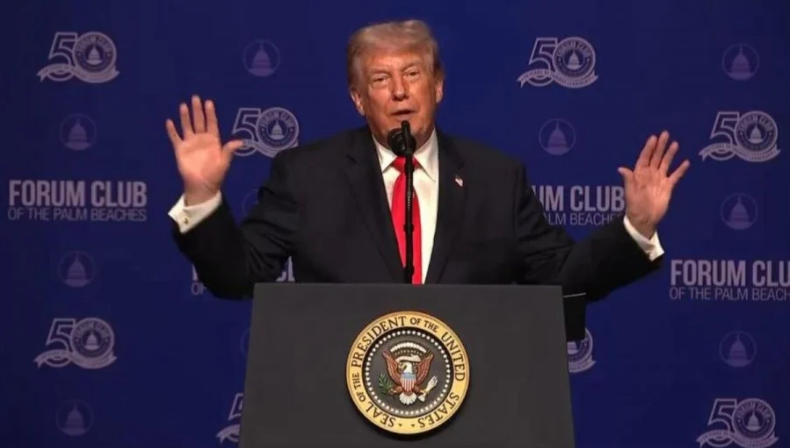
    Donald Trump joked Friday that the U.S. Navy could take on Cuba while returning from Iran.

    During a keynote address at the Forum Club of the Palm Beaches on Friday, Donald Trump suggested in a lighthearted tone that the US Navy could turn its attention to Cuba after completing operations related to Iran, joking about acting “almost immediately.”

    The president also signed a broad executive order on May 1, 2026, targeting key sectors of Cuba’s economy, including energy, defense, mining, and financial services.

    The measures extend to foreign companies and financial institutions engaging with Havana. The move follows a 2023 US-backed operation that resulted in the removal of Nicolas Maduro from power in Venezuela.

    Trump further accused Cuba of supporting Maduro’s alleged drug-related networks in exchange for oil—supplies that have since been disrupted by US sanctions. The resulting oil embargo has intensified fuel shortages on the island, severely affecting healthcare services and infrastructure.

    The United Nations has issued repeated warnings that Cuba is nearing a significant humanitarian crisis due to these conditions.

    Cuban Foreign Minister Bruno Rodríguez Parrilla condemned the sanctions, stating on X that the measures represent “collective punishment” against the Cuban population.

    He noted the timing of the announcement, pointing out it coincided with May 1 demonstrations in Cuba, where citizens protested the longstanding US blockade and energy restrictions.

    Parrilla also criticized Washington for what he described as interference in foreign affairs under the pretext of promoting democracy, while alleging domestic repression within the United States.

    He argued that the sanctions violate international law and the United Nations Charter, asserting that the US lacks authority to impose such measures on Cuba or third parties.

    Meanwhile, Washington has been urging Cuban leadership to engage in negotiations, warning that time for dialogue may be limited.

    President Miguel Díaz-Canel has consistently rejected these calls, describing them as being made under unfavorable and “hostile” conditions.

    Cuban officials maintain that any future talks must be conducted on equal terms, without threats to the country’s sovereignty or territorial integrity.

  • US plans to reduce its troop presence in Germany by 5,000 as tensions rise between Trump and Merz

    US plans to reduce its troop presence in Germany by 5,000 as tensions rise between Trump and Merz

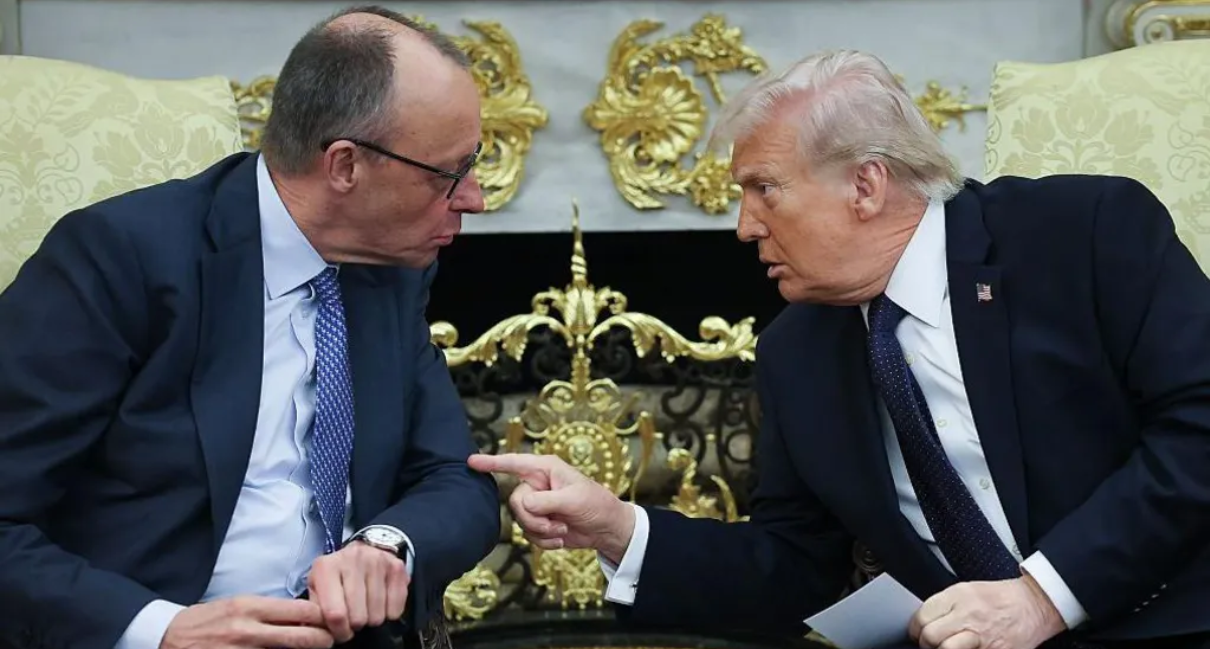
    The US Department of Defense is planning to withdraw 5,000 troops from Germany, a move that comes amid rising tensions between President Donald Trump and German Chancellor Friedrich Merz over the war with Iran.

    The decision follows Trump’s criticism of Merz, who had suggested the US was “humiliated” in negotiations with Iran.

    The United States maintains a substantial military presence in Germany, with more than 36,000 active-duty personnel stationed across the country as of last December.

    Germany’s Defence Minister Boris Pistorius said the presence of US forces in Europe—especially in Germany—serves the interests of both nations. However, he added that the withdrawal did not come as a surprise, noting it had been foreseeable that the US might scale back its troop levels in Europe.

    In social media posts, Trump sharply criticised Merz, calling his leadership ineffective and pointing to issues such as immigration and energy policy. He has also floated the idea of reducing US troop deployments in Italy and Spain.

    A Pentagon spokesperson, Sean Parnell, said the order to withdraw troops from Germany was issued by Defence Secretary Pete Hegseth.

    “This decision follows a comprehensive review of the Department’s force posture in Europe and reflects current operational needs and conditions on the ground,” he said.

    “We anticipate the withdrawal will be completed within the next six to twelve months.”

    Trump, who has long been critical of the NATO alliance, has recently criticised allies for declining to take part in efforts to reopen the Strait of Hormuz.

    When asked on Thursday whether he might also withdraw US troops from Italy and Spain, Trump replied: “I probably will — why shouldn’t I?”

    “Italy has not been of any help to us and Spain has been terrible,” he added, faulting both countries over their response to the conflict with Iran.

    “In every case, they said, ‘I don’t want to get involved.’”

    Earlier this week, Merz told university students that “the Americans clearly have no strategy” and said he could not identify any clear strategic exit plan.

    “The Iranians are clearly highly adept at negotiations — or more precisely, at avoiding them — allowing the Americans to travel to Islamabad and return without any outcome,” he said.

    He added that the Iranian leadership was “humiliating” the entire nation.

    In response, Trump posted on Truth Social, claiming that Merz believed it was “acceptable for Iran to have a nuclear weapon” and saying he “doesn’t know what he’s talking about”.

    “No wonder Germany is doing so poorly, both economically and otherwise!” the post added.

    The BBC has reached out to the German embassy in Washington for comment.

    The US maintains its largest European military presence in Germany, compared with roughly 12,000 troops in Italy and about 10,000 in the UK.

    Many of these forces are based at Ramstein Air Base near the south-western city of Kaiserslautern.

    Trump has previously suggested reducing US troop levels in Germany, though such plans have not yet been implemented.

    Only Japan hosts a larger US troop presence than Germany.

    In 2020, a plan to relocate 12,000 US troops from Germany to other NATO countries or back to the United States was blocked by Congress and later reversed by President Joe Biden.

    At the time, Trump had criticised Germany as “delinquent” for failing to meet NATO’s defence spending target of 2% of GDP.

    However, this has shifted significantly under the Merz government.

    Germany is projected to spend €105.8bn (£91bn) on defence in 2027, with total military expenditure expected to reach 3.1% of GDP next year.

    Last year, the US moved to reduce its troop presence in Romania as part of Trump’s broader strategy to pivot military focus from Europe to the Indo-Pacific region.

  • Trump says King Charles shares his view that Iran should not acquire nuclear weapons.

    Trump says King Charles shares his view that Iran should not acquire nuclear weapons.

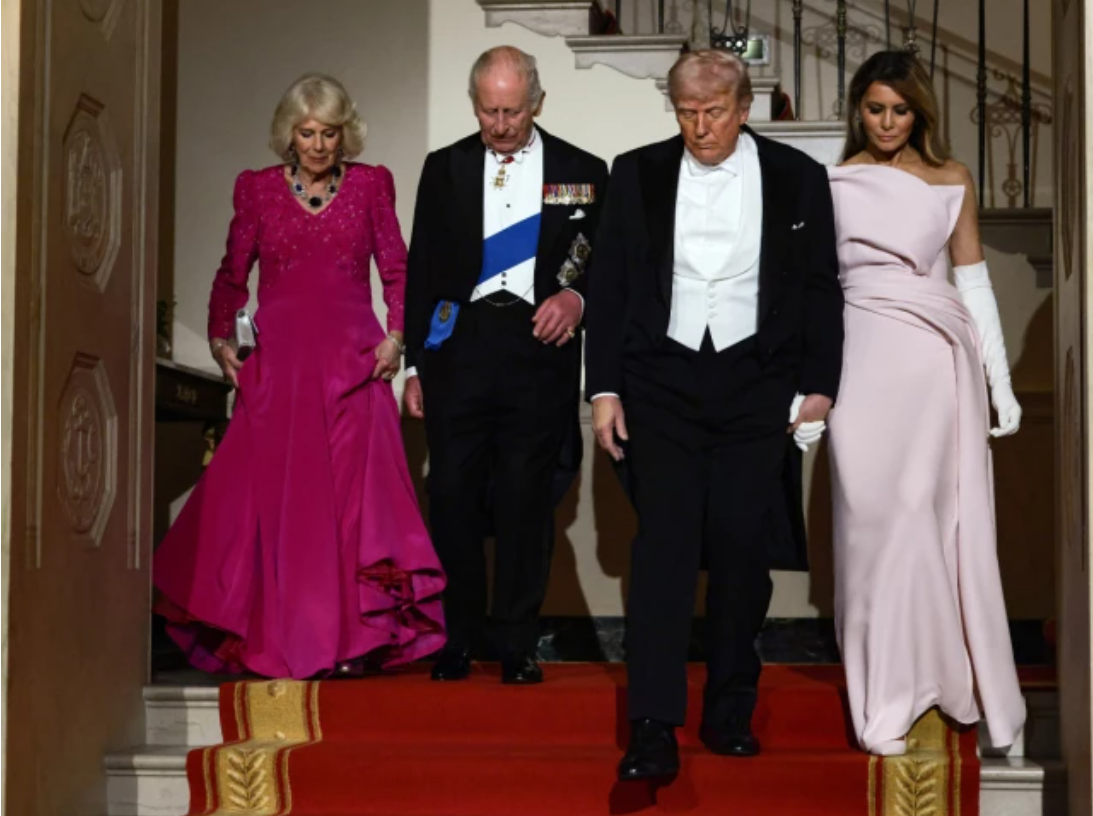
    US President Donald Trump said on Tuesday that Britain’s King Charles shares the view that Iran should not obtain nuclear weapons, bringing the sensitive issue of the Middle East conflict into remarks made during a White House state dinner held in the monarch’s honour.

    The dinner took place on the second day of Charles’s four-day visit to the United States, amid strained relations between Washington and London. Trump has recently criticised British Prime Minister Keir Starmer, accusing him of not offering sufficient support regarding the conflict with Iran.

    “We’re engaged in some work in the Middle East right now, and it’s going very well,” Trump said during the event.

    He added that the United States had “militarily defeated” its opponent and insisted it would never allow Iran to acquire nuclear weapons, claiming that King Charles strongly agreed with that position.

    In his own remarks after Trump, King Charles did not address Iran or the ongoing conflict. As monarch, he does not speak on behalf of the British government.

    When asked about Trump’s comments, the British Embassy in Washington directed inquiries to Buckingham Palace, which did not immediately respond.

    Earlier in a speech to Congress, Charles avoided direct reference to the Iran conflict but touched on broader geopolitical themes, including NATO, continued US support for Ukraine, and the risks of isolationism.

    Both the United States and the United Kingdom have long maintained that Iran should not develop nuclear weapons.

    Tehran denies seeking such weapons, stating that its nuclear programme is for peaceful purposes, including uranium enrichment, under its rights as a signatory to the Nuclear Non-Proliferation Treaty.

    Iran ‘figuring out its leadership’

    Efforts to resolve the US-Israeli conflict with Iran remained stalled on Tuesday. Trump said he was dissatisfied with Tehran’s latest proposal and claimed Iran had indicated it was in a “state of collapse” while reassessing its leadership.

    Iran’s proposal reportedly suggested postponing discussions about its nuclear programme until after the conflict ends and shipping disputes are settled. However, US officials say Trump wants nuclear issues addressed immediately.

    In a social media post, Trump stated that Iran had requested the reopening of the Strait of Hormuz while it worked through internal leadership challenges, though there was no clear indication of how this message was conveyed. Tehran did not immediately respond.

    An Iranian military spokesperson earlier said the country does not consider the war to be over.

    Since the conflict began on February 28, Iran has restricted most shipping through the Strait of Hormuz, a critical route for global energy supplies, while the US has imposed a blockade on Iranian vessels.

    According to reports, Trump has directed aides to prepare for a prolonged blockade of Iranian ports.

    Iran’s guards take greater role

    Prospects for renewed peace efforts have diminished in a conflict that has resulted in thousands of civilian casualties and disrupted global markets. Trump recently cancelled a planned visit by his envoys Steve Witkoff and Jared Kushner to Pakistan, which had been acting as a mediator.

    Iranian Foreign Minister Abbas Araghchi travelled to Islamabad twice over the weekend for discussions.

    Following the deaths of several senior Iranian figures in US-Israeli strikes, Iran’s leadership structure has become less centralised. The reported killing of Supreme Leader Ayatollah Ali Khamenei and the succession of his son Mojtaba has shifted influence toward hardline factions within the Islamic Revolutionary Guard Corps.

    Officials familiar with negotiations say Iran’s proposal outlines a phased approach, beginning with ending hostilities and securing guarantees against renewed conflict, followed by resolving maritime disputes and eventually addressing the nuclear issue.

    This approach echoes elements of the 2015 nuclear agreement, from which Trump withdrew during his first term.

    Domestically, Trump is facing growing pressure over the war. His approval rating has declined, with recent polling showing decreasing public support amid concerns over economic conditions and the conflict.

    He has also clashed with European leaders, criticising German Chancellor Friedrich Merz over his stance on Iran.

    Despite tensions, King Charles emphasised in his congressional address that the UK and US remain close allies committed to defending democratic values.

    Oil prices rise again

    With no clear resolution in sight, oil prices have continued to climb, with Brent crude rising करीब 3% to approximately $111 per barrel.

    The World Bank has warned that energy prices could rise significantly in 2026 if disruptions linked to the conflict persist.

    The United Arab Emirates has announced its withdrawal from OPEC and OPEC+, highlighting divisions among Gulf countries over Iran.

    Recent data shows several Iranian oil tankers have been forced to turn back due to the US blockade, while shipping through the Strait of Hormuz has dropped sharply.

    Iranian officials say alternative trade routes are being used to mitigate the impact.

    Meanwhile, the US has imposed new sanctions targeting entities linked to Iran’s financial networks and warned that companies facilitating passage through the Strait of Hormuz could face penalties.